Waste-to-Energy
(WTE) Initiative
Waste-to-Energy (WTE) Initiative
About the Project
Sustainable Infrastructure for a Smarter Future
The Waste-to-Energy (WTE) Initiative is envisioned as a sustainability-focused infrastructure ecosystem designed to support scientific waste management, renewable energy generation, environmental responsibility, and future-ready urban development.
As urbanization and industrial activity continue to increase globally, sustainable waste management and renewable energy systems are becoming critical development priorities.
The WTE initiative is focused on transforming environmental challenges into long-term infrastructure and sustainability opportunities.
Project Scale
Waste Processing Facilities
Waste Segregation & Material Recovery Facilities (MRF)
Waste-to-Energy Power Plants
Refuse-Derived Fuel (RDF) Facilities
Recycling & Resource Recovery Centres
Hydrogen Production Facilities
Biogas & Biofuel Plants
Ash Processing & Recycling Facilities
Smart Utility Infrastructure
Water Treatment & Recycling Plants
Green Energy Infrastructure
Research & Development Centre
Administrative & Operations Centre
Key Objectives
Promote scientific and sustainable waste management.
Generate renewable electricity from municipal and industrial waste.
Reduce landfill dependency and environmental pollution.
Support India's circular economy initiatives.
Encourage technology transfer and innovation.
Generate green employment opportunities.
Reduce greenhouse gas emissions.
Strengthen sustainable urban infrastructure.
The project is expected to attract participation from :
Municipal Corporations
Smart Cities Authorities
Industrial Parks & SEZs
Ports & Airports
Private Infrastructure Developers
MSMEs participating in waste management and supply chain
Renewable Energy Companies
Technology Partners for WTE Systems
Environmental & Sustainability Organisations
Strategic Ecosystem Participants
- State Governments
- Urban Local Bodies (ULBs)
- EPC Contractors
- Power Distribution Companies (DISCOMs)
- Financial Institutions
- Infrastructure Investors
- Environmental Consultants
- Engineering & Technology Companies
- Carbon Credit Partners
- Project Overview
- Technology Overview
- Waste Processing Flow
- Power Generation Process
- Carbon Reduction Impact
- Project Implementation Timeline
Transforming Waste into Sustainable Energy
The Waste-to-Energy Development Program focuses on converting municipal and industrial waste into clean energy through advanced processing and energy recovery technologies. The project supports sustainable waste management, reduces landfill dependency, and promotes a circular economy approach.
The initiative also supports energy security, resource efficiency, and sustainable economic development while contributing to national climate and clean energy goals.
- Large-scale waste processing infrastructure
- Clean electricity generation from waste resources
- Advanced environmental protection systems
- Sustainable urban development solution
- Scalable implementation across cities and regions
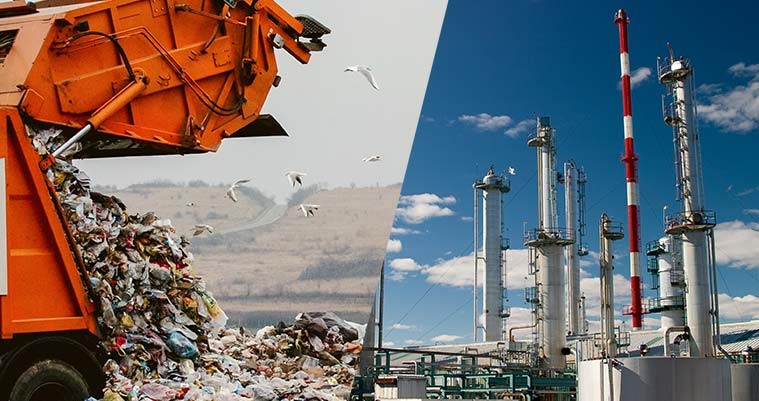
Advanced Waste-to-Energy Technology Platform
The project integrates modern waste processing and energy conversion technologies to maximize resource recovery and energy output.
Technology Components :
Solid Refuse Fuel (SRF) Production Technology
Advanced Waste Segregation Systems
High-Efficiency Combustion Technology
Steam Turbine Power Generation
Emission Control & Monitoring Systems
Resource Recovery Solutions
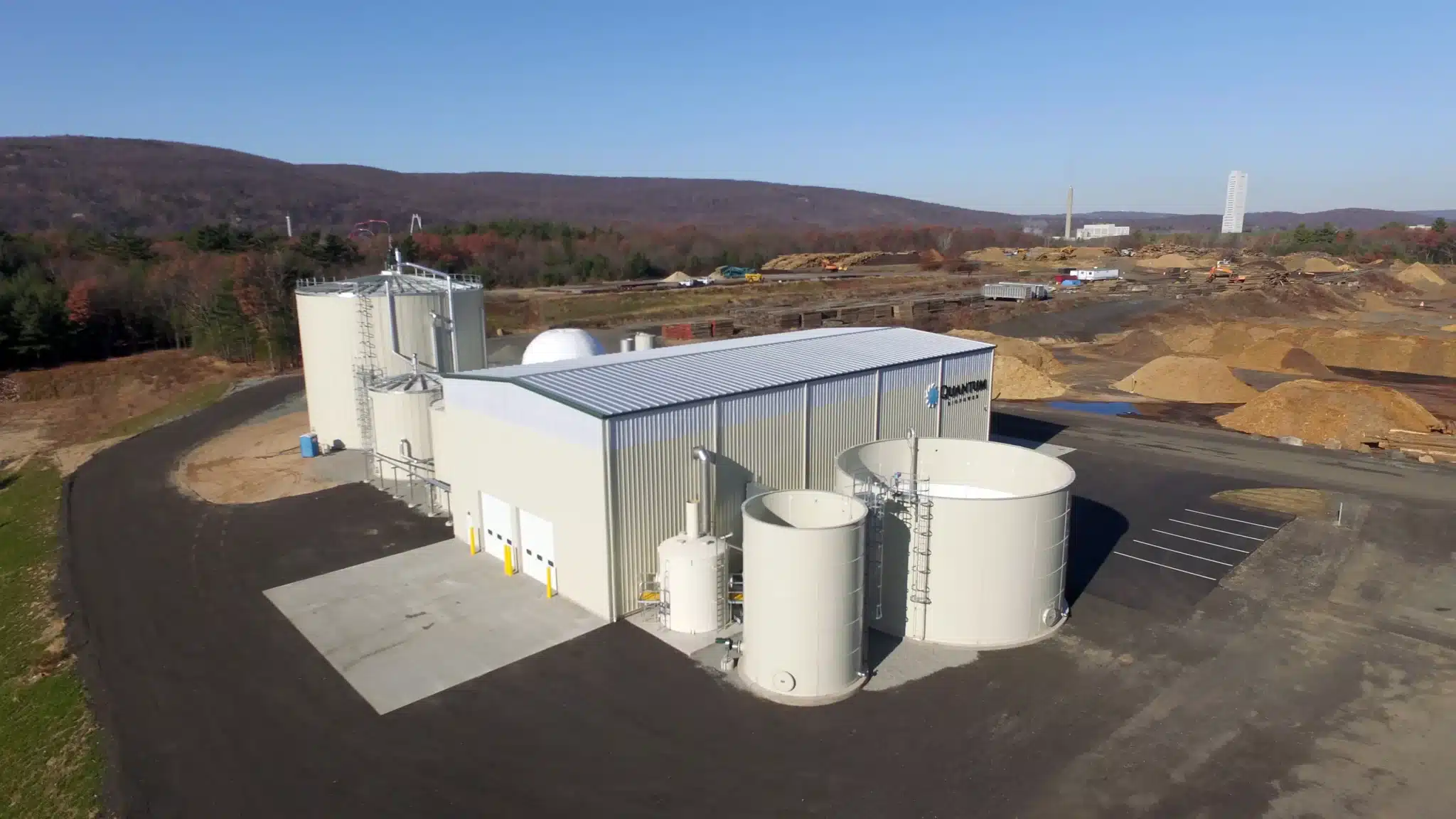
From Waste Management to Energy Generation
Waste Collection
Waste Sorting & Segregation
Recyclable Material Recovery
SRF Production
Thermal Processing / Combustion
Energy Recovery
Electricity Generation
Safe Residue Management
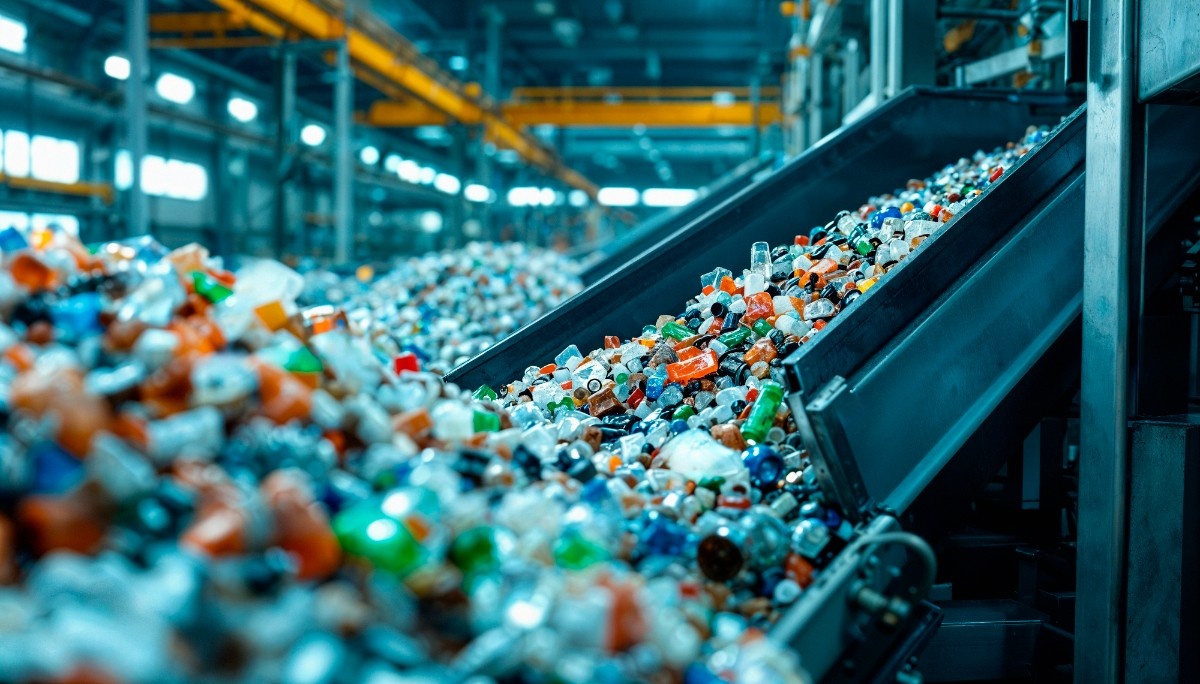
Converting Waste into Clean Power
Process Flow:
- Waste Fuel
→ Combustion System
→ Heat Generation
→ Steam Production
→ Turbine Operation
→ Electricity Generation
→ Grid Supply
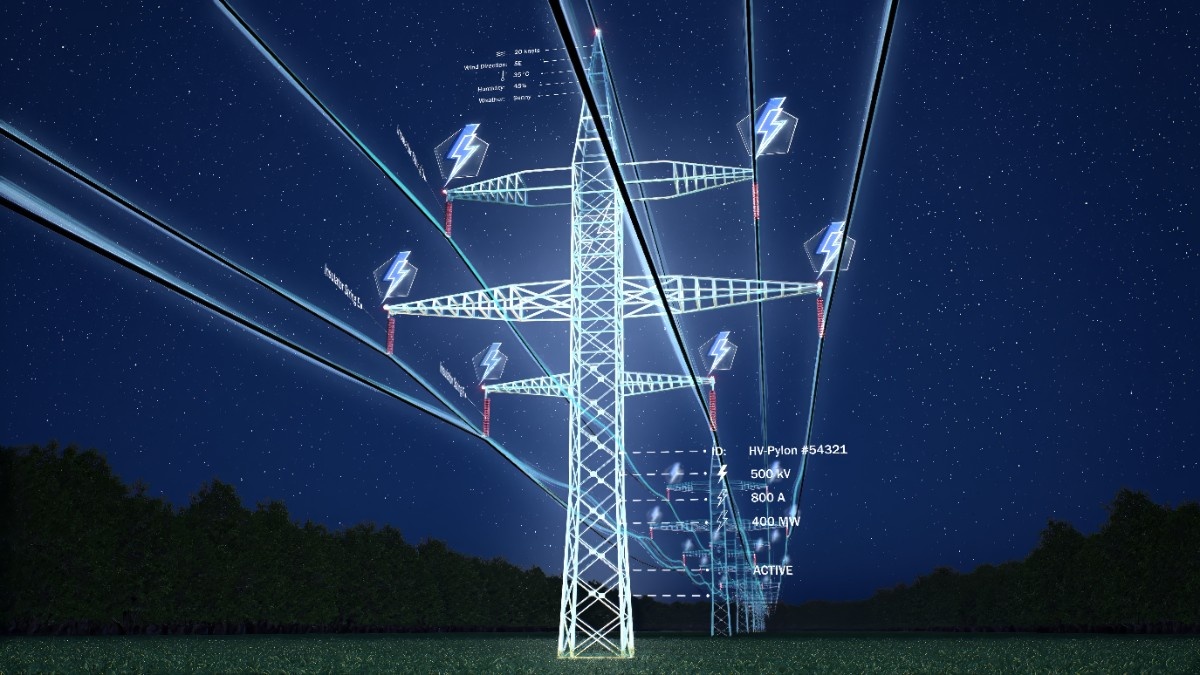
Supporting Low-Carbon Development
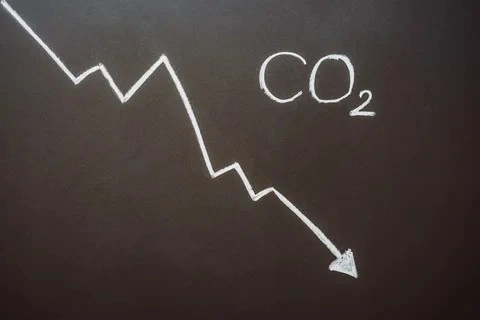
Waste-to-Energy technology helps reduce carbon emissions by replacing conventional waste disposal methods and fossil fuel-based energy generation.
- Impact Areas:
Reduced methane emissions from landfills
Lower fossil fuel dependency
Increased renewable energy generation
Improved carbon management
Potential carbon credit opportunities
Phased Development Approach
Phase 1: Planning & Approval
- Feasibility studies
- Site assessment
- Government approvals
Phase 2: Engineering & Development
- Detailed project design
- Technology integration
- Infrastructure construction
Phase 3: Installation & Commissioning
- Equipment installation
- Testing & operations setup
Phase 4: Operation & Expansion
- Commercial operation
- Capacity enhancement
- Regional expansion
Frequently Asked Questions (FAQ)
Waste-to-Energy is a process that converts waste materials into usable energy such as electricity through advanced thermal and recovery technologies.
Municipal solid waste, industrial waste, and other suitable waste streams can be processed.
The technology reduces landfill usage, controls emissions, and supports renewable energy generation.
It promotes circular economy practices by converting waste into valuable energy resources.
Government bodies, investors, technology providers, EPC companies, and sustainability organizations can participate.